How to Tell Whether a Dirty Tool Needs Cleaning, Lubrication, or Replacement

How to Tell Whether a Dirty Tool Needs Cleaning, Lubrication, or Replacement

A dirty hand tool can present a deceptively simple problem. A wrench feels stiff, a pair of pliers no longer opens smoothly, or a screwdriver looks worn, and the first instinct is often to clean it or add some lubricant. Sometimes that is exactly what the tool needs. But cleaning, lubrication, and replacement solve very … Read more

How to Remove Dirt From Tool Hinges, Pliers, and Adjustable Joints

How to Remove Dirt From Tool Hinges, Pliers, and Adjustable Joints

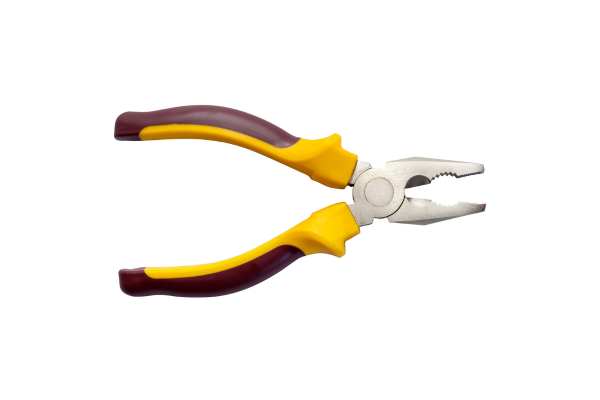
Moving parts are often the first areas of a hand tool to become difficult to maintain. Hinges, plier pivots, adjustable-wrench mechanisms, clamps, folding tools, and other joints can collect dust, grease, metal particles, paint, and fine debris during normal use. At first, the problem may appear minor. A pair of pliers may feel slightly stiffer … Read more

How to Clean a Toolbox After Oil, Dust, and Metal Shavings Build Up

How to Clean a Toolbox After Oil, Dust, and Metal Shavings Build Up

A toolbox can gradually become one of the dirtiest places in a home workshop without looking particularly dirty from the outside. Oil from hand tools, dust from sanding or drilling, metal shavings, wood particles, adhesive residue, and small pieces of debris can collect underneath tools and in corners that are rarely inspected. The problem is … Read more

How to Remove Adhesive Residue From Metal Tools

How to Remove Adhesive Residue From Metal Tools

Adhesive residue can turn a clean metal tool into a sticky, frustrating mess. Labels, masking tape, protective films, price stickers, double-sided tape, construction adhesive, and other products can leave behind a film that collects dust and makes the tool uncomfortable to handle. Removing adhesive sounds simple until you encounter a residue that refuses to come … Read more

How to Clean Screwdrivers Without Damaging the Tip or Handle

How to Clean Screwdrivers Without Damaging the Tip or Handle

Screwdrivers are among the most frequently used hand tools in a home toolbox. They are used for assembling furniture, tightening cabinet hardware, repairing household items, opening access panels, installing fixtures, and handling countless small repairs. Because they are used so often, they also tend to accumulate dirt, grease, adhesive residue, paint, dust, and moisture. Cleaning … Read more

How to Clean Greasy Wrenches, Pliers, and Sockets at Home

How to Clean Greasy Wrenches, Pliers, and Sockets at Home

Grease is one of the most common types of contamination found on hand tools. Wrenches, pliers, sockets, ratchets, and similar tools can quickly become coated with oil and grease during automotive work, machinery maintenance, bicycle repairs, or even ordinary household projects. A greasy tool is not necessarily a damaged tool. In fact, many hand tools … Read more

How to Remove Dried Paint From Metal Tools Without Scratching Them

How to Remove Dried Paint From Metal Tools Without Scratching Them

Dried paint on a wrench, screwdriver, pair of pliers, clamp, scraper, or other metal tool can be surprisingly difficult to remove. What starts as a few drops left after a painting project can harden into a stubborn layer that attracts dust, interferes with moving parts, and makes the tool difficult to inspect properly. The obvious … Read more

How to Clean Hand Tools After Heavy Use Without Damaging the Finish

How to Clean Hand Tools After Heavy Use Without Damaging the Finish

Hand tools are built to withstand demanding work, but even a well-made wrench, pliers, screwdriver, or hammer can deteriorate quickly when dirt, oil, moisture, and residue are allowed to remain on the surface. Regular cleaning is one of the simplest ways to keep tools working properly and to spot problems before they become expensive or … Read more