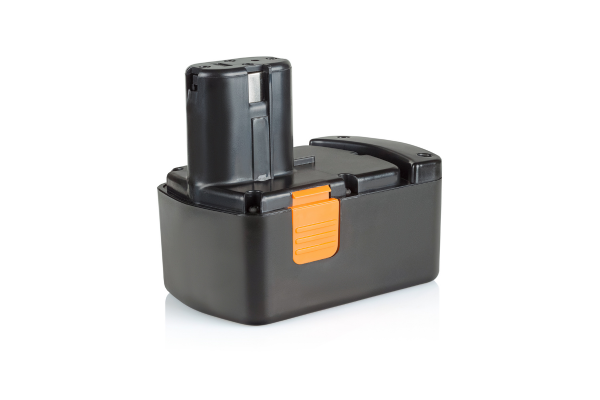
Cordless power tools have become essential in many workshops, garages, construction sites, and homes because they provide mobility without the need for a power cord. Their convenience, however, depends heavily on the condition of their batteries. A battery that is stored incorrectly for several weeks or months can lose performance, deteriorate prematurely, or develop problems that may make it unsuitable for continued use.
Long-term battery storage is different from simply putting a battery on a shelf after finishing a project. Temperature, charge level, moisture, physical protection, and the condition of the battery itself all matter. Modern cordless tool batteries commonly use lithium-ion technology, which requires appropriate handling and storage practices.
The safest approach is always to follow the battery and tool manufacturer’s instructions because recommended storage conditions can vary between systems. However, several general principles can help protect batteries during extended periods when the tools will not be used regularly.
Why Proper Battery Storage Matters
A rechargeable battery undergoes chemical processes even when it is not connected to a tool. Storage conditions influence how quickly those processes affect the battery.
Leaving a battery in an unsuitable environment for months can contribute to capacity loss and reduced runtime. Excessive heat is particularly undesirable because elevated temperatures can accelerate aging.
Very low temperatures can also affect battery performance and charging behavior. A battery that has been exposed to extreme cold may require time to return to an appropriate temperature before charging.
Physical damage is another concern. A battery case that becomes cracked, swollen, or otherwise compromised should not simply be returned to a charger.
Proper storage therefore serves two purposes: preserving battery life and reducing the possibility of problems when the battery is eventually returned to use.
Follow the Manufacturer’s Storage Instructions First
Battery systems are not identical. Different manufacturers may specify different storage temperatures, charge levels, and procedures.
Before storing a battery for an extended period, consult the instructions provided for that specific battery or tool system.
Pay attention to recommendations regarding:
Storage temperature
Recommended charge level
Maximum storage duration
Charging procedures
Battery inspection
Protection from moisture
Handling of damaged batteries
If the manufacturer’s instructions differ from general advice, follow the manufacturer’s instructions.
This is particularly important because battery management systems, cell configurations, charging systems, and protection circuits can vary between products.
Avoid Storing Batteries in Excessive Heat
Heat is one of the most important environmental factors affecting battery life.
A garage can become considerably hotter than the surrounding outdoor environment, particularly when the building receives direct sunlight and has limited ventilation.
Avoid leaving batteries in places such as vehicles, near heaters, beside furnaces, or in direct sunlight.
A battery that is repeatedly exposed to high temperatures may age faster even when it is not being used.
Long-term storage should ideally occur in a location that remains within the temperature range specified by the manufacturer.
If the garage regularly becomes extremely hot, consider storing batteries in a more temperature-stable indoor location when practical and permitted by the manufacturer’s instructions.
Avoid Extreme Cold as Well
Cold temperatures can also affect battery behavior.
A battery that becomes very cold may temporarily provide less performance, and charging a battery while it is outside the manufacturer’s recommended temperature range may be inappropriate.
If a battery has been stored in a cold garage during winter, allow it to return to a suitable temperature before charging or using it.
Do not attempt to rapidly warm a battery using a heater, heating pad, oven, or other direct heat source.
Gradual temperature stabilization is generally safer.
Always follow the manufacturer’s instructions for charging batteries that have been exposed to low temperatures.
Do Not Store Batteries Completely Depleted
A rechargeable battery that remains at an extremely low state of charge for a long period can be more difficult to recover.
For this reason, avoid intentionally putting batteries away completely empty before extended storage.
The exact recommended storage charge level varies by manufacturer and battery system, so consult the product instructions rather than assuming that every battery should be stored at the same percentage.
The goal is generally to avoid extremes while following the specific recommendations for the battery.
A battery that is already deeply discharged should be handled according to the manufacturer’s instructions rather than repeatedly attempting to recharge it without evaluation.
Avoid Keeping Batteries Fully Charged for Long Periods Unless Recommended
It can be tempting to charge every battery to maximum capacity before putting it away for several months. However, long-term storage at a very high state of charge may not be ideal for some lithium-ion battery systems.
The manufacturer’s recommended storage charge should therefore take priority.
For batteries that will be used again soon, normal charging procedures may be appropriate. Extended storage is different because the battery will remain at that state for a much longer period.
The important distinction is between preparing a battery for immediate use and preparing it for long-term inactivity.
Store Batteries Away From Moisture
Battery packs contain electrical contacts and electronic components that should remain dry.
Do not store batteries in locations where they can be exposed to rain, condensation, leaking pipes, damp concrete, or other sources of moisture.
Humidity can contribute to corrosion around contacts and other exposed metal areas.
A dry storage location also reduces the risk of moisture entering through damaged housing.
If a battery becomes wet, do not simply place it on a charger to see whether it still works. Follow the manufacturer’s instructions for dealing with water exposure.
A battery that has experienced significant moisture intrusion may require professional evaluation or replacement.
Inspect the Battery Before Storage
Before putting a battery away for several weeks or months, inspect its physical condition.
Look for cracks, dents, swelling, damaged terminals, loose components, discoloration, or other unusual changes.
A battery case should remain intact.
If the battery has been dropped, inspect it carefully even if there is no obvious damage.
Do not store a visibly damaged battery alongside normal batteries.
A damaged battery should be handled according to the manufacturer’s safety instructions.
Physical inspection is particularly important because storage is not the right time to discover that a battery has already developed a serious problem.
Never Store a Swollen Battery
Swelling is an important warning sign.
If a battery pack appears swollen, deformed, or unusually expanded, stop using it and do not attempt to charge it.
Do not press the casing back into shape, puncture the battery, disassemble it, or place it under heavy objects.
A swollen battery should be isolated from normal equipment and handled according to the manufacturer’s instructions and local battery-disposal requirements.
The same principle applies to batteries showing leakage, severe heat damage, or significant physical deformation.
A battery that appears abnormal should not be treated as a normal storage item.
Keep Battery Contacts Clean
The electrical contacts between the battery and tool or charger should remain clean and free from contamination.
Before extended storage, inspect the terminals for dust, corrosion, or other debris.
Use only a cleaning method recommended for the battery system.
Avoid scraping contacts aggressively because their surfaces can be damaged.
Do not apply random oils, grease, or household chemicals to electrical contacts.
If corrosion is present, consult the manufacturer’s instructions before attempting to remove it.
Clean contacts help maintain a reliable electrical connection when the battery returns to service.
Do Not Leave Batteries Permanently Attached to Tools
Whether a battery should remain attached to a tool during storage depends on the manufacturer’s instructions.
In many cases, removing the battery makes long-term storage and inspection easier.
A separated battery can be stored under its recommended conditions while the tool itself can be cleaned and protected independently.
Removing the battery also makes it easier to identify whether a problem belongs to the tool or battery if the equipment behaves differently after storage.
However, always follow the specific recommendations for the tool system.
Keep Batteries Away From Metal Objects
Battery terminals should not come into unintended contact with conductive objects.
Avoid throwing loose batteries into a toolbox containing screws, nails, metal accessories, or other objects that could bridge the terminals.
Use the original battery case, protective cover, or another appropriate storage solution designed to prevent accidental contact.
Terminal protection is especially important when batteries are transported or stored alongside other equipment.
A dedicated storage location also makes it easier to inspect batteries and keep them organized.
Avoid Direct Sunlight
Direct sunlight can heat battery packs significantly, even when the surrounding room does not feel excessively warm.
Do not leave batteries on windowsills, near garage doors exposed to direct sunlight, or inside vehicles where temperatures can rise rapidly.
A shaded, temperature-stable storage location is generally preferable.
The objective is to reduce unnecessary thermal stress during the entire storage period.
Choose a Suitable Storage Location
A good battery storage area should be dry, reasonably temperature-stable, clean, and protected from accidental impacts.
Avoid locations where batteries can fall from shelves or become buried beneath heavy equipment.
Keep batteries away from sources of heat, water, chemicals, and direct sunlight.
If children or pets can access the storage area, use appropriate precautions to prevent accidental handling.
Good organization is useful because it makes it easier to identify damaged batteries and prevents incompatible batteries or chargers from being mixed up.
Do Not Store Batteries Near Flammable Materials
Rechargeable batteries should be stored responsibly.
Avoid placing them directly beside flammable liquids, fuels, solvents, paper piles, or other materials that could increase the consequences of an abnormal battery event.
The storage location should be appropriate for the battery system and consistent with manufacturer recommendations.
Keeping the area organized also makes it easier to notice unusual smells, heat, leakage, or physical changes.
Check Batteries During Extended Storage
Long-term storage does not necessarily mean leaving batteries untouched for an indefinite period.
For batteries stored for several months, periodic inspection can help identify changes.
Look for swelling, cracks, corrosion, unusual odors, or other signs of deterioration.
If the manufacturer recommends periodic charging or inspection, follow that schedule.
Do not repeatedly charge a battery simply because it has been stored for a long time unless the manufacturer’s instructions call for it.
Unnecessary handling can create additional opportunities for damage.
Understand Battery Self-Discharge
Rechargeable batteries gradually lose charge even when they are not connected to a tool.
The rate depends on the battery chemistry, temperature, age, condition, and internal electronics.
This is one reason why batteries should not be stored indefinitely without considering their condition.
If a battery’s charge becomes unusually low after a relatively short storage period, investigate whether the behavior is normal for that particular system.
A battery that loses charge much faster than expected may have an underlying issue.
Do not attempt to diagnose a potentially damaged battery solely by repeatedly charging and discharging it.
Prepare Batteries Before Long-Term Storage
A simple preparation process can reduce problems.
Start by cleaning the exterior of the battery with an appropriate method.
Inspect the casing and terminals.
Check for cracks, dents, swelling, or contamination.
Determine the manufacturer’s recommended storage charge.
Allow the battery to reach an appropriate temperature before storage.
Place it in a dry, protected location away from direct sunlight and excessive heat.
Keep the terminals protected from accidental contact with metal objects.
Record which batteries are being stored if you have a large collection.
This makes it easier to identify older batteries and maintain an organized system.
Storing Batteries in a Garage
Garages can be convenient storage locations, but they may expose batteries to greater temperature and humidity fluctuations than an indoor room.
If the garage is reasonably dry and remains within the manufacturer’s recommended temperature range, it may be suitable.
If temperatures regularly become extreme, consider moving the batteries to a more stable environment when practical.
Do not assume that a garage is suitable simply because power tools are commonly stored there.
The specific conditions matter more than the name of the room.
Monitor the environment during the hottest and coldest periods of the year.
What to Do With a Battery That Gets Wet
If a battery is exposed to water or significant moisture, do not immediately connect it to a tool or charger.
Remove it from service and follow the manufacturer’s instructions for water exposure.
Do not attempt to dry it using a hair dryer, heater, oven, or other high-temperature method.
If moisture may have entered the housing, the battery may require professional assessment.
A battery that appears dry externally can still contain moisture internally.
The safest approach is to treat significant water exposure as a condition requiring evaluation rather than simply assuming the battery is fine.
What to Do With an Old Battery
Battery capacity naturally declines with age and use.
An older battery may still function but provide significantly less runtime than it originally did.
If a battery becomes unusually weak, heats excessively, shows physical damage, or behaves inconsistently, stop normal use and investigate the condition.
Do not attempt unauthorized repairs or cell replacements.
Battery packs contain multiple cells and protection electronics that require appropriate equipment and expertise.
When a battery reaches the end of its useful life, dispose of it through an appropriate battery recycling or collection program according to local requirements.
Common Battery Storage Mistakes
One of the most common mistakes is leaving batteries inside a hot vehicle.
Another is storing them completely depleted for months without following manufacturer guidance.
Keeping batteries permanently at maximum charge during long-term storage may also be inappropriate for some systems.
Storing batteries loosely with metal objects can create unnecessary risks.
Ignoring swelling or physical damage is another serious mistake.
Some users also place batteries in damp garages and assume that the plastic casing completely protects the internal components.
Finally, using heat to quickly warm or dry a battery can create additional hazards.
Following the manufacturer’s storage instructions is always preferable to relying on improvised methods.
A Practical Extended-Storage Routine
Before storing a battery for an extended period, clean its exterior and inspect the casing.
Check the terminals and make sure they are free from obvious contamination.
Confirm the recommended storage charge for the specific battery.
Make sure the battery is at an appropriate temperature before storage.
Place it in a clean, dry, temperature-stable location.
Protect the terminals from accidental contact.
Keep damaged batteries separated from normal equipment.
During long storage, inspect the batteries periodically according to the manufacturer’s recommendations.
Before returning a battery to service, inspect it again for physical changes and verify that it behaves normally.
Returning a Stored Battery to Use
When the storage period ends, do not immediately assume the battery is ready for demanding work.
Inspect the casing and terminals.
Confirm that there is no swelling, cracking, leakage, corrosion, or unusual odor.
Allow a battery that has been stored in a cold or hot environment to return to a suitable temperature before charging or using it.
Charge it using the correct charger and according to the manufacturer’s instructions.
During the first use after extended storage, pay attention to unusual heat, rapid loss of charge, abnormal sounds, or inconsistent tool operation.
If anything unusual occurs, stop using the battery and investigate the problem.
Why Organization Helps Battery Maintenance
If you own several cordless tools, battery organization becomes increasingly important.
Labeling or separating battery systems can help prevent the wrong charger from being used.
Keep compatible batteries together and store chargers in an organized location.
Avoid mixing damaged batteries with normal equipment.
An organized storage system also makes it easier to identify which batteries have been unused for long periods.
Good organization reduces accidental mistakes and makes routine inspections much easier.
Building a Long-Term Battery Care Habit
Battery maintenance is most effective when it becomes part of normal tool ownership.
Do not wait until a battery fails to think about storage conditions.
After completing a major project, inspect the batteries before putting them away.
Keep them away from excessive heat and moisture.
Follow the recommended storage charge.
Check physical condition periodically.
Replace or recycle damaged batteries appropriately.
These habits require little time but can help preserve battery performance and reduce unnecessary replacement costs.
Final Thoughts
Safe long-term storage is an important part of cordless power tool maintenance. A battery can spend far more time sitting unused than it does powering a tool, so the conditions during storage can have a meaningful effect on its long-term condition.
The most important principles are simple: follow the manufacturer’s storage instructions, avoid excessive heat and cold, protect batteries from moisture and physical damage, store them at the recommended charge level, keep the terminals clean, and never ignore swelling, leakage, cracks, or other signs of damage.
Do not assume that every battery should be stored in exactly the same way. Battery systems differ, and the manufacturer’s recommendations should always take priority.
A clean, dry, organized storage area can make battery maintenance much easier. When batteries are inspected before and after long periods of inactivity, potential problems are more likely to be identified early.
Proper storage will not stop a battery from aging, but it can help reduce unnecessary environmental and handling-related stress. With consistent care and responsible storage practices, cordless tool batteries can remain dependable and ready for work throughout their useful service life.