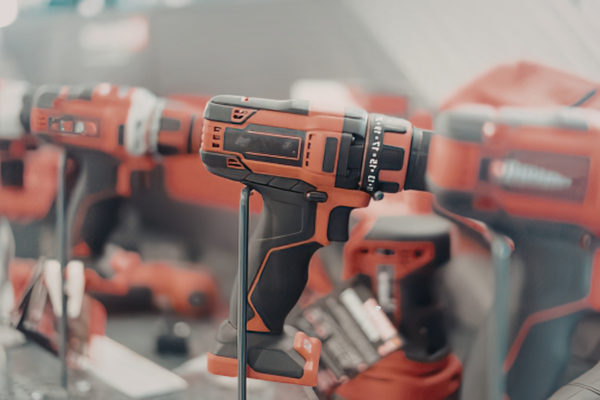
Cordless drills are designed to handle a wide range of drilling and fastening tasks, but even a well-built drill can become excessively hot when it is pushed beyond its normal working conditions. Heat is a natural part of motor operation, especially during demanding work, but excessive heat can reduce performance, shorten component life, damage batteries, and in some cases indicate a mechanical or electrical problem.
Preventing a cordless drill from overheating is therefore more than simply taking breaks during a job. Good maintenance, correct tool settings, suitable accessories, proper technique, clean ventilation openings, and appropriate battery care all play a role in keeping the drill operating within a reasonable temperature range.
The exact operating limits vary between manufacturers and models, so the instructions supplied with the tool should always take priority. However, several general maintenance and usage practices can help prevent unnecessary heat buildup and extend the working life of a cordless drill.
Understand Why a Cordless Drill Gets Hot
A cordless drill produces heat whenever its motor is operating. Under normal conditions, the heat generated during use is transferred away through the tool’s housing and ventilation system.
The harder the motor has to work, the more heat it can produce. Drilling through dense materials, using large bits, applying excessive pressure, or operating the tool continuously can increase the load considerably.
Heat can also increase when mechanical components are dirty, ventilation openings are blocked, or the drill is being operated at an inappropriate speed.
Some warmth after normal use is not necessarily a problem. The important distinction is between a drill that becomes moderately warm during demanding work and a drill that becomes unusually hot, loses power, shuts down repeatedly, produces a burning smell, or develops other abnormal symptoms.
Understanding this difference helps prevent unnecessary concern while also making it easier to recognize situations that require immediate attention.
Use the Correct Drill Bit for the Job
The choice of drill bit has a direct effect on the amount of work required from the motor.
A bit that is too large for the material or task can create excessive resistance. A dull bit can have a similar effect because the cutting edges are no longer removing material efficiently.
Instead of cutting effectively, a dull bit may generate more friction. The motor then has to work harder to maintain rotation, increasing heat production.
Use a bit designed for the material being drilled and select an appropriate size. When drilling large holes, especially in wood or other materials that require significant material removal, consider using an appropriate pilot hole or progressive drilling technique when suitable for the application.
Keeping bits sharp and in good condition is one of the simplest ways to reduce unnecessary load on a cordless drill.
Choose the Correct Speed Setting
Many cordless drills provide multiple speed ranges. Selecting the appropriate range is important because the motor and gearbox are designed to operate differently depending on the task.
A low-speed setting generally provides greater control and torque for demanding applications, while a higher-speed setting is often appropriate for smaller bits and faster drilling.
Using an inappropriate speed can increase friction and motor load. For example, attempting a demanding drilling operation at a speed that is too high can generate unnecessary heat.
Follow the drill manufacturer’s recommendations for speed ranges and the material being worked. When in doubt, start with a conservative setting and adjust it according to the task rather than immediately selecting the highest available speed.
Do Not Force the Drill Through the Material
One of the most common causes of excessive heat is forcing the drill.
It can be tempting to push harder when a bit is not progressing quickly. However, excessive pressure does not necessarily make the drill work more efficiently. Instead, it can increase motor load, friction, and the possibility of the bit becoming stuck.
A better technique is to maintain controlled pressure and allow the cutting edge of the bit to do its job.
If the drill begins to slow dramatically, stop and determine why. The bit may be dull, the selected speed may be inappropriate, the material may be particularly difficult, or the bit may have become obstructed.
Learning to recognize when a drill is being overloaded can prevent unnecessary heat and wear.
Avoid Repeatedly Stalling the Motor
A cordless drill should not be operated continuously while the motor is struggling to turn.
A stalled or nearly stalled motor can place significant stress on the electrical and mechanical components. Depending on the design of the tool, repeated heavy stalls can generate substantial heat.
If the drill stops rotating because the bit is stuck, release the trigger instead of continuing to hold it.
Remove the bit safely and determine what caused the obstruction. If necessary, change the drilling technique, use a different bit, or adjust the speed.
Repeatedly trying to force a stalled drill through a difficult section is an inefficient way to work and can contribute to premature wear.
Keep the Ventilation Openings Clean
Cordless drills rely on airflow to help manage heat generated by the motor and internal components.
Dust, wood particles, drywall dust, metal debris, and other contaminants can accumulate around ventilation openings. If airflow becomes restricted, heat may have more difficulty leaving the tool.
Inspect the vents regularly, particularly if the drill is used in dusty environments.
Use an appropriate dry cleaning method recommended by the manufacturer to remove loose debris. Avoid forcing dirt deeper into the tool and avoid using cleaning methods that could introduce moisture into electrical components.
A few seconds of cleaning after demanding jobs can help prevent accumulated debris from becoming a long-term ventilation problem.
Do Not Cover the Ventilation Openings
It is also possible to restrict airflow unintentionally while using a cordless drill.
Holding the tool incorrectly, placing it against a dusty surface, wrapping it in a cloth while it is still warm, or storing it immediately inside a confined container can interfere with heat dissipation.
Keep ventilation openings unobstructed during operation.
After heavy use, allow the tool to cool in an open, dry location rather than immediately placing it in a closed case while it is still hot.
Good airflow is particularly important after demanding drilling operations.
Give the Drill Cooling Breaks
A cordless drill does not necessarily need to operate continuously until the job is finished.
When performing repeated heavy drilling, periodic cooling breaks can reduce accumulated heat. The appropriate interval depends on the drill, workload, material, ambient temperature, and manufacturer’s recommendations.
If the housing becomes noticeably hotter than usual, stop the operation and allow the drill to cool naturally.
Cooling breaks are especially useful when drilling many large holes or working with dense materials. Instead of waiting for the tool to become extremely hot, use controlled pauses before excessive heat develops.
This approach can also make the work more comfortable because the operator has an opportunity to inspect the bit and clean away debris.
Pay Attention to the Battery
The battery is another important part of a cordless drill’s thermal system.
Heavy workloads can cause the battery to warm up, particularly when the motor is drawing significant power. A battery that becomes unusually hot deserves attention.
Inspect batteries regularly for visible damage, swelling, cracks, contamination, or other abnormalities. Do not use a battery that appears damaged.
Battery contacts should also be kept clean and dry according to the manufacturer’s maintenance instructions.
If the drill becomes unusually hot together with abnormal battery behavior, stop using the tool and follow the manufacturer’s safety guidance. Do not attempt to repair a damaged lithium-ion battery yourself.
Avoid Working in Excessive Heat
Ambient temperature can influence how quickly a cordless drill becomes hot.
Using the tool in a very hot garage, workshop, vehicle, or outdoor environment can reduce the amount of temperature margin available before components become excessively warm.
Whenever practical, perform demanding work in a reasonably ventilated environment away from direct sunlight and excessive heat.
This is especially important when combining several heat-producing factors, such as a large bit, hard material, continuous drilling, and a high ambient temperature.
Keep Drill Bits Sharp and Clean
A clean and sharp drill bit can reduce the amount of resistance placed on the motor.
When a bit becomes dull, the cutting edges may produce more friction and less efficient cutting. The operator may then compensate by applying additional pressure, increasing the load on the drill.
Inspect frequently used bits for wear and damage.
Bits should also be appropriate for the material. A bit designed for wood is not automatically the best choice for masonry, metal, or other materials.
Using the correct accessory reduces unnecessary strain and helps the drill operate more efficiently.
Use the Correct Torque Setting for Screwdriving
Overheating is not limited to drilling.
When using a cordless drill as a driver, an inappropriate torque setting can cause unnecessary strain, especially when fastening repeatedly.
Use a suitable torque setting for the fastener and material. Avoid continuously driving screws after they have reached the required position.
The clutch on many drills is designed to help control torque during fastening. Learning to use it properly can reduce unnecessary motor load and prevent damage to fasteners or the workpiece.
Avoid Excessive Continuous Operation
A cordless drill may be capable of performing demanding work, but that does not mean it should be operated continuously under maximum load.
Professional and heavy-duty tools can often tolerate demanding applications better than lightweight consumer models, but every tool has operating limits.
If the task involves hundreds of holes, repeated large-diameter drilling, or extended fastening, divide the work into manageable periods.
Use appropriate breaks and monitor the tool’s temperature throughout the job.
This is particularly important when working with compact drills that have smaller motors and less thermal mass.
Recognize the Warning Signs of Overheating
Knowing what abnormal heat looks like is an important part of tool maintenance.
Warning signs can include:
- The housing becoming unusually hot
- Sudden loss of power
- Repeated thermal shutdown
- A burning or electrical smell
- Smoke
- Unusual noise
- Discoloration around the motor or battery area
- The battery becoming unusually hot
- A noticeable change in normal operating behavior
A single warm housing after demanding work does not automatically indicate damage. However, several warning signs occurring together should not be ignored.
If the drill behaves differently from normal, stop using it and investigate the cause.
What to Do When a Drill Overheats
If a cordless drill becomes excessively hot, release the trigger and stop the operation.
Remove the battery when it is safe and appropriate to do so, particularly if the tool is no longer being used.
Place the drill in a stable, dry location away from combustible materials and allow it to cool naturally.
Do not attempt to cool an overheated electrical tool by immersing it in water or applying extreme cold. Sudden temperature changes and moisture can create additional problems.
Do not immediately restart the drill repeatedly just to determine whether it still works. First identify why it became excessively hot.
If there is smoke, a strong burning smell, visible damage, a damaged battery, or other serious abnormal behavior, discontinue use and follow the manufacturer’s instructions for inspection or service.
Inspect the Drill After Repeated Overheating
Occasional warmth during heavy work can be normal. Repeated overheating, however, deserves investigation.
Check whether the same task consistently causes the problem. Consider whether the bit is appropriate, whether the speed is correct, and whether the ventilation openings are clean.
Also inspect the battery and look for physical damage.
If the drill overheats during relatively light work that previously caused no problems, the change in behavior is important.
A mechanical problem, electrical fault, worn component, damaged battery, or internal contamination may require professional service.
Avoid opening the tool unless you have the appropriate technical knowledge and the manufacturer permits user servicing. Internal electrical components can present hazards even when the tool is not operating.
Be Careful With Brushed and Brushless Drills
Different motor designs can behave differently during demanding work.
Some cordless drills use brushed motors, while many newer models use brushless motors. Brushless systems are generally designed for improved efficiency and electronic control, but they can still overheat when subjected to excessive loads.
Brushed motors contain wear components that can eventually require service. Signs such as unusual sparking, burning smells, loss of performance, or abnormal noise may indicate a problem.
Regardless of motor type, the fundamental prevention principles remain similar: use the correct accessory, avoid excessive force, maintain airflow, clean the tool, and allow appropriate cooling periods.
Keep the Drill Clean After Dusty Work
Cleaning should be part of regular drill maintenance rather than something performed only when a problem appears.
After working with wood, drywall, concrete, masonry, or other dusty materials, inspect the exterior and ventilation openings.
Remove loose debris using a method appropriate for the specific tool.
Pay particular attention to areas where dust can accumulate around vents, switches, battery connections, and moving components.
A clean tool is easier to inspect and is less likely to develop airflow restrictions caused by accumulated debris.
Store the Drill Properly After Use
Storage also affects the long-term condition of a cordless drill.
Before placing the tool into storage, allow it to cool completely. Remove loose debris and inspect it for damage.
Store the drill in a clean, dry environment where it is protected from excessive humidity, extreme temperatures, and accidental impacts.
If the tool has a removable battery, follow the manufacturer’s instructions regarding whether it should be removed during storage.
Avoid leaving the drill in a hot vehicle or in direct sunlight for extended periods.
Proper storage prevents a recently overheated or dusty tool from being exposed to additional environmental stress.
Avoid Using a Damaged Drill
A drill that has suffered a serious drop, impact, water exposure, or electrical problem should not simply be returned to heavy use without inspection.
Damage may not always be visible from the outside.
Cracks in the housing, damaged battery connections, unusual sounds, intermittent power, or abnormal heat can indicate that something has changed internally.
If the drill no longer behaves normally, treating it as though nothing happened can create additional risk.
When the cause is uncertain, manufacturer-approved service or qualified professional inspection is safer than continuing to test the tool under heavy loads.
Create a Simple Maintenance Routine
Preventing overheating becomes easier when basic maintenance is performed consistently.
A useful routine can include:
Before use: Check the battery, bit, housing, trigger, and ventilation openings.
During demanding work: Pay attention to temperature, unusual smells, loss of power, and changes in motor sound.
After use: Remove debris, inspect the tool, and allow it to cool before storage.
Periodically: Inspect batteries, accessories, vents, and the general condition of the drill.
This routine does not require complicated equipment. The most important part is making inspection and cleaning habitual.
Common Mistakes That Cause Cordless Drills to Overheat
Several habits can increase thermal stress without the user realizing it.
One common mistake is applying excessive pressure instead of allowing the bit to cut at an appropriate rate.
Another is using a dull or inappropriate bit.
Blocking ventilation openings is another preventable problem, particularly when working in dusty environments.
Continuing to operate a drill after it has already become unusually hot is also a poor practice.
Some users also assume that because a drill is cordless and compact, it can be operated continuously under maximum load. In reality, every tool has practical limits.
Avoiding these mistakes can significantly reduce unnecessary heat buildup.
A Better Approach to Heavy Drilling
When a job requires a large number of holes or demanding drilling, preparation can make a major difference.
Choose the correct bit before beginning. Select the appropriate speed range. Make sure the battery is in good condition and sufficiently charged according to the manufacturer’s recommendations.
Keep the work area clear and provide adequate ventilation.
During the job, use controlled pressure and avoid forcing the tool when the motor begins to slow excessively.
Take breaks before the drill reaches an extreme temperature.
This approach is usually more efficient than operating continuously until the tool becomes too hot and then waiting for it to recover.
When Professional Service May Be Necessary
Routine maintenance can prevent many overheating problems, but it cannot solve every mechanical or electrical fault.
Professional inspection may be appropriate if the drill:
- Overheats during light-duty work
- Repeatedly shuts down
- Produces smoke
- Develops a persistent burning smell
- Makes unusual mechanical noises
- Shows visible electrical damage
- Has suffered significant impact or water exposure
- Behaves differently even after cleaning and using the correct accessories
Trying to repair internal electrical components without appropriate knowledge can create additional hazards.
If a tool is still under warranty, follow the manufacturer’s service procedures rather than performing unauthorized repairs.
Final Thoughts
Preventing a cordless drill from overheating starts with understanding how the tool responds to workload. Heat is a normal byproduct of motor operation, but excessive or unusual heat should not be treated as normal.
Using the correct drill bit, selecting an appropriate speed, avoiding excessive pressure, keeping ventilation openings clean, allowing cooling periods, and paying attention to battery condition can greatly reduce unnecessary thermal stress.
Regular cleaning and proper storage are equally important because dust, humidity, poor ventilation, and environmental conditions can contribute to long-term tool problems.
Most importantly, learn to recognize changes in the drill’s normal behavior. A tool that suddenly becomes much hotter, loses power, produces an unusual smell, or