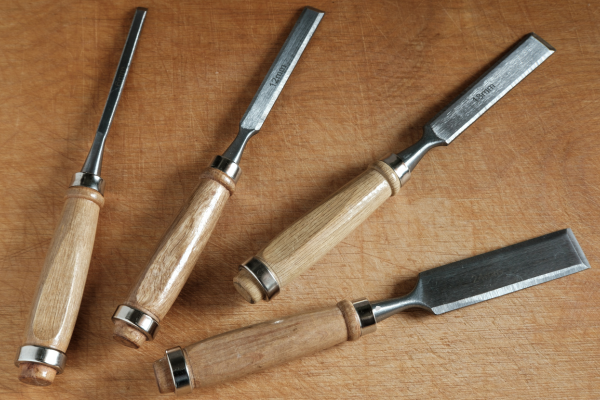
A chisel is a simple hand tool, but its performance depends heavily on the condition of its cutting edge. A properly maintained chisel can remove material cleanly, create accurate cuts, and remain useful for many years. A neglected chisel, on the other hand, can become dull, develop rust, suffer damage around the cutting edge, or become difficult to control.
Maintaining a chisel involves more than sharpening it when it becomes dull. The tool should be cleaned after use, inspected for damage, protected from corrosion, sharpened correctly, and stored in a way that prevents the edge from contacting other tools. The handle and striking end also deserve attention because repeated impact can gradually affect the tool.
Whether a chisel is used for woodworking, general repairs, restoration projects, or occasional work around the house, a simple maintenance routine can preserve both its cutting performance and its structural condition.
Why Chisel Maintenance Is Important
The cutting edge is the most important working surface of a chisel. It needs to remain sharp enough to enter the material predictably without requiring excessive force.
A dull edge changes the way the tool behaves. Instead of cutting efficiently, the user may compensate by striking harder or applying additional pressure. This can make the work less controlled and increase the possibility of damaging the workpiece or the tool.
A poorly maintained chisel can also develop small chips along the edge. These defects may initially seem insignificant, but repeated use can make them larger and more difficult to remove.
Corrosion is another concern, particularly when chisels are stored in humid workshops, garages, sheds, or toolboxes where moisture can become trapped.
Regular maintenance helps address these problems before they become more serious.
Inspect the Chisel Before Each Use
A quick inspection before using a chisel can reveal problems that should be addressed before work begins.
Start by examining the cutting edge under good lighting. Look for dull sections, chips, cracks, rolled edges, or unusual deformation.
Run your eyes along the length of the edge rather than checking only the center. Damage can occur near the corners even when the middle portion still appears sharp.
Next, inspect the blade for rust, deep scratches, dents, or signs of excessive wear. Light surface discoloration may not affect performance, but deep corrosion can weaken the material or alter the shape of the blade.
Examine the handle as well. Look for cracks, loose sections, or damage caused by repeated impacts. A handle that is beginning to fail should not be ignored.
If the chisel has a metal striking end designed for hammer use, inspect it for excessive deformation or mushrooming. The condition of this area is particularly important for chisels that are struck frequently.
Clean the Chisel After Use
Cleaning should become part of the normal process whenever a chisel is used.
For woodworking, remove wood dust, resin, glue, and other residues from the blade and handle. A clean cloth is often enough for ordinary contamination.
If adhesive has hardened on the blade, avoid scraping aggressively with another hardened metal object because this can scratch or deform the surface. Use a suitable method for the specific adhesive and material.
For general workshop use, remove oil, grease, dirt, and metal particles after completing the task.
Pay particular attention to the area near the cutting edge. Small particles can remain attached to the blade and contribute to corrosion if moisture is present.
After cleaning with any liquid product, dry the tool completely before storage.
How to Remove Surface Rust From a Chisel
Surface rust should be addressed before it spreads.
Light corrosion can often be removed using an appropriate rust-removal method that does not unnecessarily alter the shape of the blade. A fine abrasive pad or suitable rust-removal product may be appropriate depending on the condition of the tool.
Do not aggressively grind the blade simply to remove superficial discoloration. Removing unnecessary amounts of metal can change the geometry of the cutting tool.
After treating rust, clean away abrasive particles and residue. Dry the chisel thoroughly and protect the exposed metal with an appropriate corrosion-prevention product.
If corrosion has created deep pits near the cutting edge, inspect the tool carefully before returning it to service. Severe damage may require more extensive restoration or replacement.
Protect the Cutting Edge
The cutting edge should never be allowed to strike directly against other metal tools during storage.
Even a sharp chisel can develop small chips or dents if its edge repeatedly contacts screwdrivers, pliers, sockets, or other hard objects.
A simple storage solution is to keep chisels in a rack, protective holder, or case that separates the cutting edges from surrounding tools.
If a protective cover is used, make sure the blade is clean and dry before covering it. Trapping moisture against the metal can encourage corrosion.
The goal is to protect the edge without creating a humid environment around it.
Understanding When a Chisel Needs Sharpening
A chisel does not need to be sharpened simply because it has been used. Sharpening removes material, so unnecessary sharpening can gradually alter the tool’s geometry.
Instead, pay attention to performance.
A chisel that requires noticeably more force to make the same cut, produces less controlled results, or struggles to enter the material cleanly may need attention.
Another indication is visible rounding or damage along the edge.
If the edge has only become slightly dull, a light sharpening session may be sufficient. If the edge has a significant chip or deformation, more material may need to be removed to restore the correct shape.
The amount of work required depends on the severity of the damage.
Maintain the Correct Bevel
The bevel is the angled surface leading toward the cutting edge. Its geometry plays an important role in how the chisel cuts.
When sharpening, consistency is more important than repeatedly changing the angle. A stable bevel allows the cutting edge to remain predictable.
The appropriate angle depends on the type of chisel, material being worked, and intended application. Follow the manufacturer’s recommendations when available rather than assuming that every chisel should have exactly the same geometry.
Avoid removing excessive material from the bevel. The objective is to restore a clean cutting edge while preserving the intended shape of the tool.
For frequently used chisels, a sharpening guide can help maintain a consistent angle if freehand sharpening is difficult.
How to Sharpen a Chisel Safely
A basic sharpening process involves creating a clean, consistent bevel and refining the cutting edge.
Before beginning, make sure the sharpening equipment is appropriate for the chisel and that the work area is stable.
If using a sharpening stone, keep the blade properly positioned and maintain consistent contact. Excessive pressure is generally unnecessary. Let the abrasive do the work.
Move the chisel in a controlled manner and inspect the edge regularly rather than removing large amounts of material without checking progress.
The back of the chisel also matters. A clean, reasonably flat back near the cutting edge helps produce a refined cutting edge.
Avoid creating a large, unnecessary hollow or changing the overall geometry of the tool simply to remove a small imperfection.
After sharpening, remove any burr that has formed along the edge. The final edge should be clean and consistent rather than having a loose strip of metal attached to it.
Avoid Overheating the Cutting Edge
Power tools such as bench grinders can remove metal very quickly, but they require particular care when used on cutting tools.
Excessive heat can affect the properties of steel, especially near a thin cutting edge. If the edge becomes visibly overheated, the tool may require additional material removal to reach unaffected steel.
For routine chisel maintenance, controlled sharpening methods can provide greater precision and reduce the risk of removing too much material.
If a powered grinder is used, work carefully and avoid allowing the cutting edge to remain in contact with the abrasive surface for too long at once.
Cooling procedures should also follow the manufacturer’s guidance and the characteristics of the tool.
Maintain the Back of the Chisel
The back of a chisel is sometimes overlooked because it does not appear to be the working edge. However, its condition affects the final cutting performance.
The area immediately behind the cutting edge should remain sufficiently flat and smooth for the intended application.
When restoring a damaged chisel, avoid polishing the entire back unnecessarily. Concentrate maintenance on the area that actually influences the cutting edge.
Excessive grinding can change the geometry of the tool and create more work than necessary.
A controlled approach preserves more of the original material and reduces the chance of introducing unwanted angles.
Take Care of the Chisel Handle
A chisel handle can experience considerable stress, especially when the tool is struck repeatedly.
Inspect wooden handles for cracks, splits, loose areas, and severe impact damage. Pay particular attention to the area around the striking end.
Composite or plastic handles should also be inspected for cracks and deformation.
Do not continue using a handle that has become structurally compromised. Replacing the handle, when possible and appropriate, is preferable to relying on a damaged component.
Keep wooden handles reasonably clean and dry. Excessive exposure to water can cause some wooden handles to swell, shrink, or develop other changes over time.
Avoid leaving the chisel in environments where moisture can repeatedly enter the handle material.
Do Not Use a Chisel for the Wrong Job
A significant portion of chisel damage comes from misuse rather than normal wear.
A woodworking chisel should not automatically be treated as a substitute for a cold chisel or another tool designed for striking hard materials.
Similarly, using a precision woodworking chisel to pry, twist, or scrape extremely hard materials can damage the edge.
A chisel is designed to cut or remove material in a controlled manner according to its intended construction. Using it as a pry bar places forces on the blade that it may not be designed to withstand.
Choosing the correct chisel for the application is therefore an important part of maintenance.
Avoid Striking a Chisel Incorrectly
When a chisel is designed to be struck, use an appropriate striking tool and controlled force.
Repeatedly hitting the chisel at extreme angles can place unnecessary stress on the handle and blade.
Do not continue striking a chisel if the handle becomes loose or damaged.
For woodworking, the force required should generally correspond to the material being removed. Excessive impact does not automatically produce better results.
Controlled strikes can provide better accuracy while reducing unnecessary stress on the tool.
Prevent Corrosion During Storage
A dry storage environment is one of the simplest ways to extend the life of a chisel.
After cleaning, make sure there is no moisture remaining on the blade, particularly around the cutting edge.
For chisels stored for extended periods, an appropriate protective film can help reduce exposure to moisture. The product should be suitable for the metal and should not interfere with the intended use of the tool.
Avoid storing a damp chisel inside a closed plastic case or toolbox. Trapped moisture can remain around the metal for long periods.
If the workshop is humid, consider improving general moisture control rather than relying only on oil or corrosion inhibitors.
Organize Chisels to Prevent Edge Damage
Chisels should be stored so that their cutting edges do not contact one another.
A dedicated rack is an effective solution because each tool can remain separated and easy to inspect.
Protective sleeves can also help, provided the tool is completely dry before the sleeve is installed.
Avoid throwing chisels together in a drawer with other metal tools. Every movement of the drawer can cause the cutting edges to strike other objects.
Good organization also makes it easier to notice when a tool has developed rust or damage.
How Often Should a Chisel Be Maintained?
There is no universal maintenance schedule because usage varies considerably.
A chisel used every day in a woodworking shop may need cleaning and edge maintenance much more frequently than a chisel used once a month for household repairs.
A practical approach is to clean the tool after each use and inspect it before returning it to storage.
Sharpen only when performance indicates that it is necessary.
Perform a more complete inspection periodically, checking the blade, cutting edge, bevel, back, handle, and striking end.
Before long-term storage, clean the tool thoroughly, make sure it is dry, and provide appropriate corrosion protection.
Common Chisel Maintenance Mistakes
One of the most common mistakes is waiting until a chisel becomes extremely dull before sharpening it. Restoring a severely damaged edge takes considerably more work than maintaining a good edge.
Another mistake is grinding away large amounts of metal when only a small imperfection needs attention.
Using inconsistent sharpening angles can gradually change the shape of the bevel and make future maintenance more difficult.
Storing a chisel without protecting the cutting edge can also cause unnecessary damage.
Leaving moisture or adhesive on the blade is another preventable problem.
Finally, using the wrong chisel for the job can produce damage that ordinary maintenance cannot easily reverse.
When a Chisel Should Be Replaced
A chisel can often be restored after years of use, but there are situations where replacement is the better option.
Deep cracks in the blade, severe structural damage, a badly compromised handle, or extensive corrosion can make continued use inappropriate.
If the cutting edge has been repeatedly ground down to the point that the tool no longer has the intended geometry, restoration may no longer be practical.
The decision should be based on the condition of the tool, the intended application, and whether it can be safely returned to reliable service.
A tool that looks old is not necessarily unsafe. Conversely, a relatively new tool with structural damage should not be used simply because it has not been owned for long.
A Simple Long-Term Maintenance Routine
A reliable routine can be surprisingly simple.
After using the chisel, remove dust, adhesive, and other contamination. Inspect the cutting edge and handle. If moisture was present, dry the tool completely.
When the edge begins to lose performance, sharpen it using a controlled method that preserves the intended geometry.
After sharpening, remove the burr and clean the blade.
Apply appropriate corrosion protection when necessary, particularly if the chisel will be stored for an extended period.
Store the tool in a position where the cutting edge cannot strike other tools.
These small habits reduce unnecessary wear and make future maintenance easier.
Maintaining a Chisel Is About More Than Sharpness
A sharp edge is important, but it is only one part of good chisel maintenance. A reliable tool also needs a sound handle, a structurally intact blade, proper storage, corrosion protection, and appropriate use.
The best maintenance approach is preventive. Clean the tool before contamination becomes difficult to remove, address corrosion while it is still superficial, sharpen before the edge becomes severely damaged, and inspect the handle before repeated impacts create a larger problem.
When these practices become part of normal workshop use, a chisel can remain accurate, predictable, and useful for a very long time. Proper care also reduces the temptation to compensate for a poorly maintained tool with excessive force, which can damage both the chisel and the material being worked.
A well-maintained chisel does not need to look new to perform well. What matters is that its cutting geometry remains appropriate, its components are structurally sound, its moving or striking areas are in good condition, and the tool is stored in an environment that protects it from unnecessary damage. With consistent cleaning, inspection, sharpening, and storage, even a frequently used chisel can remain a dependable part of a workshop for years.