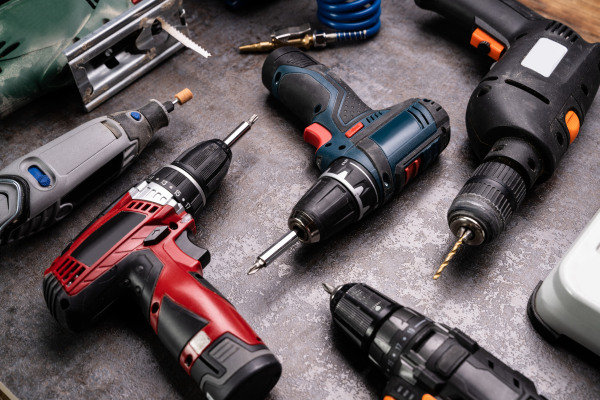
Storing cordless power tools in a humid garage can be challenging. Garages often experience large temperature changes, limited ventilation, condensation, dust, and moisture from vehicles or outdoor activities. Over time, these conditions can affect metal components, electrical contacts, batteries, chargers, switches, and plastic housings.
Cordless drills, impact drivers, circular saws, reciprocating saws, sanders, grinders, and other battery-powered tools can remain reliable for many years when they are stored correctly. The goal is not simply to keep them away from visible water. Proper storage also means reducing prolonged exposure to humidity, preventing condensation, keeping batteries in suitable conditions, and allowing tools to remain clean and dry.
A good storage system does not need to be expensive. Simple changes to the location, organization, ventilation, and cleaning routine can significantly reduce the environmental stress placed on cordless power tools.
Why Humidity Is a Problem for Cordless Power Tools
Humidity creates several different risks for power tools. The most obvious is corrosion, but moisture can also affect electrical connections and contribute to contamination inside sensitive areas.
Metal components such as screws, shafts, gears, chucks, blades, and exposed fasteners can develop surface corrosion when they remain in a humid environment for extended periods. Electrical contacts can also be affected by oxidation or contamination.
Another problem is condensation. A tool does not need to be exposed directly to rain or water to become wet. When a cold tool is brought into a warmer, humid environment, moisture can condense on its surfaces. The same effect can occur when temperatures change rapidly overnight or during seasonal weather changes.
Repeated cycles of condensation and drying can be particularly problematic because the process may occur without being obvious to the user.
For this reason, controlling the storage environment is generally more effective than simply wiping visible water from the outside of the tool.
Choose the Best Location Inside the Garage
The location of the storage area can make a significant difference.
Avoid placing cordless power tools directly on the garage floor. Concrete can remain cool and may contribute to condensation in humid conditions. The floor is also more likely to come into contact with water brought in by vehicles, cleaning activities, or rain.
Shelves, cabinets, wall-mounted storage systems, and elevated workbenches can provide better protection.
Keep tools away from areas where water is regularly used, such as locations near outdoor faucets, sinks, washing equipment, or vehicle-cleaning areas.
Avoid storing tools directly beside garage doors if the area is frequently exposed to rain, mist, or outdoor humidity.
A location with some air circulation is generally preferable to a closed corner where humid air remains trapped.
Keep Power Tools Off the Floor
Elevating tools is one of the simplest improvements you can make.
A wall-mounted rack, shelf, or cabinet reduces exposure to moisture that can accumulate near the floor.
It also protects the tools from accidental contact with water, dirt, oil, and other contaminants.
When using shelving, make sure it can safely support the weight of the tools and accessories being stored. Power tools should not be stacked in a way that places unnecessary pressure on housings, triggers, switches, or battery mounts.
Organizing tools individually also makes inspection easier. If one tool develops corrosion or contamination, it can be identified before the problem spreads to other equipment.
Clean the Tool Before Storage
Putting a dirty power tool into storage can make humidity-related problems worse.
Dust, wood particles, metal debris, grease, and other contaminants can hold moisture against surfaces. Some materials can also enter ventilation openings and remain inside the housing.
Before storing a cordless power tool, remove loose dust and debris using a method appropriate for the tool and manufacturer’s recommendations.
Pay particular attention to ventilation openings, battery mounting areas, switches, chucks, and exposed metal components.
Do not use excessive liquid during cleaning. A power tool should not be soaked or sprayed indiscriminately, especially around electrical components.
After cleaning, make sure the tool is completely dry before putting it away.
Allow a Wet Tool to Dry Before Storage
If a cordless power tool has been exposed to rain, condensation, wet materials, or another source of moisture, do not immediately place it inside a closed toolbox or cabinet.
First remove the battery if the tool design and manufacturer’s instructions permit it. Wipe the exterior and allow the tool to dry in a suitable environment.
The drying process should occur away from excessive heat. Using a high-temperature heat source to accelerate drying can damage plastics, seals, lubricants, or electronic components.
Do not assume that the outside of a tool being dry means that all moisture has disappeared. Water can remain around seams, switches, connectors, and other recessed areas.
Give the tool sufficient time to dry before returning it to long-term storage.
Pay Special Attention to Battery Contacts
Battery-powered tools have electrical contacts where the battery connects to the tool. These areas should remain clean and dry.
Inspect the contacts periodically for dirt, oxidation, corrosion, or other contamination.
Do not scrape contacts aggressively because damaging the surface can interfere with the electrical connection.
If contamination is present, use a cleaning method recommended by the manufacturer.
Keep the battery mounting area free from sawdust, dust, metal particles, and other debris that could interfere with the connection.
A clean connection can help maintain consistent operation and reduces the chance that contamination will become trapped inside the battery interface.
Store Batteries Separately When Appropriate
The best storage method for batteries depends on the manufacturer’s instructions and the battery chemistry.
For many cordless power tool systems, batteries are best stored in a clean, dry location away from extreme temperatures and direct sunlight.
Avoid leaving batteries permanently attached to tools simply because it is convenient. Separating them can make inspection easier and may reduce unnecessary exposure of the battery connection to the humid environment.
However, follow the manufacturer’s specific storage recommendations because battery systems differ.
Do not store damaged, swollen, leaking, or unusually hot batteries with healthy batteries. A battery showing signs of physical damage should be removed from normal use and handled according to the manufacturer’s guidance.
Avoid Extreme Temperature Changes
Humidity becomes particularly problematic when combined with rapid temperature changes.
A cold tool brought into a warm, humid environment can develop condensation. Similarly, a warm tool stored in a cold environment can experience changes in moisture around its surfaces.
The best storage environment is generally one with relatively stable temperature and humidity.
This does not mean that every garage needs climate control. Instead, avoid placing tools directly next to heaters, air-conditioning exhausts, open doors, or other locations where temperature changes are especially rapid.
Stable conditions are often more beneficial than attempting to maintain a specific temperature at all times.
Improve Garage Ventilation
Ventilation can help reduce the accumulation of humid air.
If the garage remains closed for long periods, moisture can become trapped inside. Improving natural airflow where practical may help the environment dry more effectively.
The appropriate ventilation strategy depends on the garage design and local climate. Opening doors or windows during suitable weather can allow humid air to escape and drier air to enter.
However, opening the garage during periods of extremely high outdoor humidity may have the opposite effect.
The objective is not simply to introduce more air. It is to reduce persistent moisture in the storage environment.
Consider a Dehumidifier
In particularly humid garages, a dehumidifier can provide additional environmental control.
This may be useful when tools, vehicles, and other metal equipment are repeatedly developing surface corrosion despite reasonable storage practices.
If using a dehumidifier, follow the manufacturer’s instructions for the equipment and the space.
A dehumidifier works best as part of a broader approach that includes good storage organization, reduced water exposure, and appropriate ventilation.
There is little benefit in controlling humidity around the tools while allowing water to regularly enter the garage or remain on the floor.
Use Moisture Absorbers Carefully
Moisture-absorbing products can be useful inside enclosed storage containers, cabinets, or toolboxes.
They can help reduce moisture in a small enclosed space, but they should not be treated as a replacement for proper environmental control.
A moisture absorber has limited capacity. Once saturated, it may no longer provide the intended protection and may need replacement or regeneration depending on the product.
Keep such products away from children and pets and follow the manufacturer’s instructions.
If a toolbox contains a significant amount of moisture, identify the source rather than relying exclusively on an absorber.
Choose the Right Storage Container
A toolbox or cabinet can protect cordless power tools from dust and accidental contact with water, but the storage container itself can also trap humidity.
Do not place a damp tool inside a tightly closed container and assume that the container will protect it.
Before closing the container, ensure that the tools are clean and dry.
Periodically open and inspect the storage area, particularly during humid seasons.
If condensation repeatedly appears inside the cabinet or toolbox, investigate the storage environment instead of simply wiping the moisture away.
A storage container should protect the tools without becoming a place where moisture remains trapped.
Keep Tools Organized and Separated
Proper organization reduces both physical damage and moisture-related problems.
Avoid piling several power tools together so tightly that air cannot circulate around them.
Keep battery-powered tools separated enough to allow inspection of their housings, battery mounts, and ventilation openings.
Accessories such as blades, bits, sanding discs, and metal attachments should also be stored in a way that prevents corrosion and unnecessary contact with the power tool.
Good organization makes it easier to notice a new rust spot, damaged housing, or contaminated connection before it becomes a larger problem.
Protect Exposed Metal Components
Some cordless power tools contain exposed metal components that can develop corrosion in humid environments.
These may include chucks, shafts, screws, gear housings, blade mounts, and other exposed surfaces.
Keep these components clean and dry.
Where appropriate, a suitable protective product can provide an additional barrier against moisture. The product must be compatible with the material and the tool’s intended use.
Avoid applying oily substances to areas where they could interfere with electrical contacts, switches, braking mechanisms, or other components.
The goal is controlled protection, not covering the entire tool with a heavy layer of oil.
Do Not Block Ventilation Openings
Power tools generate heat during operation, and ventilation openings are designed to help manage that heat.
When storing tools, avoid placing objects against these openings or covering them with materials that can collect dust.
A tool that is repeatedly operated with restricted airflow can experience higher temperatures, which may shorten the life of internal components.
Before storage, inspect the vents and remove accumulated debris using an appropriate cleaning method.
This is particularly important for tools used with wood, drywall, concrete, or other materials that generate fine particles.
Inspect Tools After Long Storage Periods
A cordless power tool that has been stored for several weeks or months should be inspected before being returned to regular use.
Look for corrosion, dust accumulation, damaged housings, contaminated contacts, and changes around the battery connection.
Check that switches and moving components operate normally.
Do not immediately place a stored tool under heavy load without first confirming that it appears to be in good condition.
Batteries also deserve inspection. Do not use a battery that is swollen, leaking, cracked, or otherwise visibly damaged.
If the tool has developed significant corrosion during storage, identify the cause before returning it to service.
Avoid Storing Tools Near Chemicals
Garages often contain automotive fluids, solvents, paints, fertilizers, cleaning products, and other chemicals.
Some chemical vapors can contribute to corrosion or affect certain plastics and rubber materials.
Store cordless power tools away from containers that can leak or release aggressive vapors.
Keep chemical products in their intended containers and follow their storage requirements.
A clean storage environment protects power tools from more than just moisture.
What to Do If You Find Rust
Finding a small amount of surface rust does not necessarily mean that a cordless power tool must be discarded.
First determine where the corrosion is located and how severe it is.
Light surface corrosion on an exposed metal component may be removable using an appropriate method.
However, corrosion around electrical contacts, internal electronics, bearings, or structural components requires more caution.
Do not aggressively sand or scrape electrical contacts or sensitive components.
If corrosion appears to have penetrated deeply into the tool or affected critical internal components, professional service or replacement may be more appropriate.
The important step is to identify the source of the moisture so that corrosion does not continue after cleaning.
Common Storage Mistakes to Avoid
One of the most common mistakes is leaving cordless tools on a garage floor. This exposes them to moisture, dirt, impacts, and accidental spills.
Another mistake is storing a wet tool inside a closed toolbox. A sealed container does not remove moisture; it can simply trap it.
Keeping batteries in extreme temperatures is also undesirable. Follow the manufacturer’s storage instructions and avoid unnecessary exposure to heat or cold.
Overusing oil or corrosion-prevention products can create contamination and interfere with components.
Blocking ventilation openings during storage is another avoidable mistake.
Finally, many people ignore the environment itself. If every metal object in the garage develops rust, simply cleaning the tools more frequently may not solve the underlying problem.
A Practical Storage Routine
A simple routine can protect cordless power tools without requiring a large amount of time.
After completing a job, remove loose dust and debris.
Inspect the tool for moisture, damage, or unusual contamination.
Clean exposed surfaces using an appropriate method.
Allow the tool to dry completely if it was exposed to moisture.
Inspect the battery and connection area.
Store the battery according to the manufacturer’s recommendations.
Place the tool on a shelf, rack, cabinet, or other elevated storage location.
Keep the storage area reasonably ventilated and reduce unnecessary humidity.
Every few weeks or months, depending on environmental conditions, inspect the tools for corrosion and accumulated dust.
This routine is simple enough to become part of the normal workflow.
How to Prepare Tools for Long-Term Storage
If a cordless power tool will not be used for an extended period, perform a more thorough inspection before storing it.
Clean the exterior and remove dust from ventilation openings.
Inspect the housing for cracks or damage.
Check the chuck, shaft, blade mount, or other working components.
Inspect battery contacts and remove contamination according to the manufacturer’s instructions.
Store batteries according to the recommended charge level and environmental conditions specified by the manufacturer.
Keep the tool in a dry location away from direct sunlight, chemical vapors, and unnecessary temperature extremes.
Periodically inspect the storage area rather than leaving the equipment untouched for months.
Long-term storage is most successful when the tools are prepared properly before being put away.
Creating a Better Humidity-Controlled Storage Area
You do not necessarily need to remodel a garage to create a better environment for cordless tools.
Start by moving tools away from the floor.
Then identify sources of moisture, such as leaks, wet vehicles, open doors during rain, or condensation.
Improve airflow when weather conditions allow.
Use suitable cabinets or storage systems to protect tools from dust and accidental water exposure.
If humidity remains consistently high, consider environmental control such as a suitable dehumidifier.
Finally, establish a regular inspection routine.
These improvements work together. A tool stored in a cabinet can still corrode if it is put away wet, and a dry tool can still deteriorate if the storage environment remains extremely humid for long periods.
Final Thoughts
Storing cordless power tools in a humid garage requires more than simply putting them inside a toolbox. Humidity, condensation, temperature changes, dust, chemical exposure, and poor organization can all contribute to deterioration over time.
The most effective approach is preventive. Keep tools clean and dry, store them above the floor, protect exposed metal components appropriately, maintain clean battery connections, and follow the manufacturer’s instructions for battery storage.
Pay attention to the environment as well. If the garage regularly experiences condensation or high humidity, improving ventilation, reducing moisture sources, or using appropriate humidity control can protect the entire tool collection.
Regular inspections are equally important. A small rust spot, contaminated battery contact, or damaged housing is much easier to address when discovered early.
Cordless power tools are valuable equipment, and proper storage can significantly extend their useful life. With a clean storage area, stable environmental conditions, careful battery handling, and a simple maintenance routine, even tools kept in a humid garage can remain dependable and ready for use for many years.