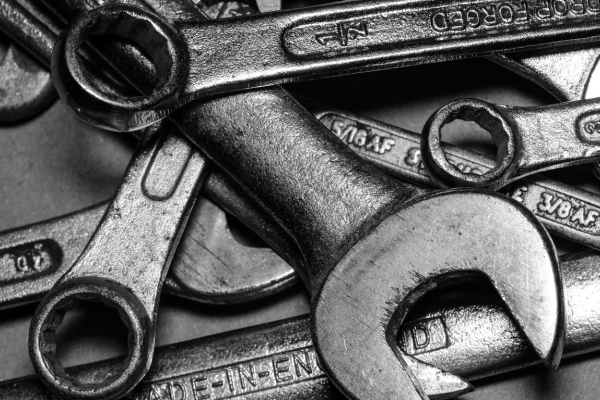
Carbon steel tools are valued for their strength, durability, and ability to maintain useful working edges. Wrenches, chisels, files, punches, saws, blades, clamps, and many other workshop tools contain steel that can provide years of reliable service when properly maintained. However, carbon steel also requires more attention to moisture and storage conditions than many corrosion-resistant materials.
Rust can develop even when a tool is not being used. A tool placed in a toolbox, garage cabinet, shed, basement, or workshop can gradually accumulate corrosion because of humidity, condensation, temperature changes, contaminated surfaces, or inadequate airflow.
The good news is that preventing rust does not require an unnecessarily complicated storage system. The most important factors are keeping tools clean and dry, controlling moisture, providing appropriate corrosion protection, and inspecting stored equipment periodically.
Proper storage is particularly important for carbon steel because corrosion can eventually damage edges, threads, working surfaces, and structural areas. A consistent storage routine can prevent a minor moisture problem from becoming permanent tool damage.
Why Carbon Steel Rusts During Storage
Rust requires suitable conditions for corrosion to occur. Moisture is one of the most important factors.
A tool does not need to be visibly wet for corrosion to develop. High humidity can provide enough moisture at the metal surface to support corrosion over time.
Temperature changes can make the problem worse. When a cold metal tool is exposed to warmer, humid air, condensation may form on its surface. This can happen even when the storage area itself does not appear particularly damp.
Common conditions that increase the risk of rust include:
- High relative humidity
- Condensation
- Damp floors or walls
- Poor ventilation
- Wet tools placed into storage
- Storage near exterior doors
- Rapid temperature changes
- Salt or chemical contamination
- Poorly maintained toolboxes
- Long periods without inspection
Because carbon steel can begin oxidizing under relatively ordinary storage conditions, rust prevention should be treated as part of normal tool maintenance rather than something done only after corrosion appears.
Clean Tools Before Putting Them Away
One of the simplest ways to prevent rust is to avoid storing dirty tools.
Oil, grease, dust, sawdust, concrete residue, metal particles, salt, and other contaminants can remain on the surface and create conditions that encourage corrosion.
Before storage, inspect the tool and remove contamination appropriate to the material.
For example, a wrench used around automotive components may have oil and road grime on it. A chisel used on construction materials may have dust or adhesive residue. A clamp used in woodworking may have glue or resin on its surfaces.
Clean the tool using an appropriate method and make sure it is completely dry before storage.
Do not put a damp tool directly into a closed toolbox or container. Trapped moisture can remain around the metal for much longer than it would in an open environment.
Drying Is Just as Important as Cleaning
A tool can be perfectly clean and still develop rust if it is stored while damp.
After cleaning, dry the entire tool carefully. Pay attention to areas where water can remain hidden, such as:
- Threads
- Joints
- Pivot points
- Recesses
- Socket interiors
- Holes
- Tool teeth
- Moving mechanisms
A cloth may be sufficient for most surfaces. Allow additional time for tools with complicated shapes or internal cavities.
If compressed air is used, use it appropriately and avoid forcing contaminants or moisture deeper into mechanisms.
The objective is simple: do not seal moisture against carbon steel.
Use a Suitable Corrosion Protector
Carbon steel tools that will remain stored for extended periods can benefit from an appropriate corrosion-protection product.
Depending on the tool and its intended use, protection may involve a light protective oil, corrosion-inhibiting spray, wax, or another product specifically suitable for the metal and storage conditions.
The correct choice depends on the tool.
A cutting tool that will be used again soon may need only a light protective film. A tool going into seasonal storage may benefit from more substantial protection.
Avoid applying excessive amounts of oil. A thick, dirty coating can attract dust and create another maintenance problem.
The goal is a controlled protective film, not a permanently greasy tool.
Keep Cutting Edges Properly Protected
Carbon steel cutting tools require special attention.
Chisels, knives, blades, files, saws, and similar tools may develop rust on their edges or working surfaces. Even a relatively small amount of corrosion can affect the condition of a sharp edge.
Before storage:
- Clean the tool.
- Dry it completely.
- Inspect the edge.
- Remove any developing surface corrosion appropriately.
- Apply suitable corrosion protection.
- Store it where the edge will not contact moisture or other corrosive materials.
Protective covers can also prevent accidental contact and reduce the chance of damage.
However, do not use a cover to trap a damp tool. The tool should be clean and dry before being enclosed.
Avoid Storing Carbon Steel Directly on Damp Surfaces
The location of your storage system matters.
Do not place valuable carbon steel tools directly on a concrete floor, damp shelf, garage floor, or other surface that can transmit moisture.
Elevating storage can reduce exposure to moisture and make it easier to keep the area clean.
Shelves, cabinets, tool chests, and wall-mounted systems can all work well when positioned in a reasonably dry environment.
If a garage or shed regularly experiences moisture problems, improving the storage environment may be more effective than repeatedly cleaning rust from the tools.
Control Humidity Where Possible
Humidity is one of the biggest factors affecting long-term corrosion.
You do not necessarily need to transform your workshop into a climate-controlled room, but reducing excessive humidity can make a significant difference.
Depending on the environment, useful measures may include:
- Improving ventilation
- Fixing water leaks
- Keeping tools away from damp walls
- Using a suitable dehumidifier
- Improving drainage around a shed
- Using moisture absorbers in enclosed storage
- Keeping doors and windows managed according to outdoor conditions
Moisture absorbers can be useful in enclosed cabinets and toolboxes, but they are not a substitute for correcting a serious humidity problem.
If water is entering the building or condensation is severe, address the source rather than relying exclusively on small moisture-absorbing products.
Be Careful With Plastic Containers
Plastic containers can protect tools from dust, but they can also trap moisture.
A tool placed into a sealed plastic box while damp may remain in a humid environment for an extended period.
This is particularly problematic when temperature changes cause condensation inside the container.
If you use plastic storage containers, make sure the tools are completely dry and consider the humidity conditions inside the container.
For long-term storage, an appropriate protective coating combined with controlled moisture is generally more useful than simply sealing a tool in plastic.
Use Moisture Control Inside Toolboxes
Toolboxes and cabinets create enclosed environments where moisture can accumulate.
Small moisture-control products can be useful in these spaces, particularly in humid climates.
Place them according to the manufacturer’s instructions and replace or recharge them as required.
Do not allow a moisture absorber to come into direct contact with tools if leakage could occur.
Also remember that a moisture absorber cannot compensate for a toolbox that repeatedly receives wet tools.
The first line of defense remains clean, dry equipment.
Store Tools Away From Salt and Corrosive Chemicals
Some workshop environments contain substances that accelerate corrosion.
Examples include:
- Road salt
- Fertilizer
- Cleaning chemicals
- Acids
- Solvents
- Pool chemicals
- Certain industrial products
Carbon steel tools should be stored away from these materials whenever possible.
A toolbox located beside containers of corrosive substances may expose metal tools to harmful vapors or contamination even when the tools themselves are not directly touched by the chemicals.
Keep chemicals properly closed and separate from tool storage.
Pay Attention to Temperature Changes
Stable temperatures generally make corrosion control easier.
A tool stored in an unheated shed may experience large temperature changes between day and night. Metal responds quickly to these changes, and condensation can occur when warm humid air contacts a colder tool.
You cannot always control the temperature of a garage or shed, but you can reduce the consequences by improving ventilation, avoiding direct exposure to outdoor air, and keeping tools away from areas where condensation commonly forms.
Precision tools and highly valuable carbon steel equipment may be better stored in a more controlled indoor environment.
Do Not Store Wet Tools After Outdoor Work
Outdoor work creates many opportunities for moisture exposure.
Rain, dew, wet grass, muddy surfaces, and humid air can all leave tools damp.
Do not simply return these tools to a closed toolbox.
Wipe them down, clean contamination when necessary, and allow them to dry completely.
This habit is especially important for hand tools used outdoors because they may otherwise spend several hours or days in a humid enclosed environment.
A few minutes of maintenance can prevent significant corrosion later.
Inspect Tools Before Long-Term Storage
Before placing a carbon steel tool into long-term storage, inspect it carefully.
Look for:
- Existing rust
- Discoloration
- Pitting
- Scratches exposing bare metal
- Damaged protective coatings
- Contamination
- Moisture
- Damaged handles
- Problems with moving parts
It is much easier to address a small corrosion spot before storage than after several months.
If rust is already present, deal with it before putting the tool away. Storing an already corroding tool does not stop the corrosion process.
Separate Frequently Used Tools From Long-Term Storage
Tools that are used every week do not necessarily require the same storage approach as tools that will remain untouched for months.
Frequently used tools can usually receive regular cleaning and a light protective treatment.
Tools being stored for an extended period may require:
- More thorough cleaning
- Complete drying
- More deliberate corrosion protection
- Better moisture control
- Periodic inspections
Separating these two groups can make maintenance easier.
It also prevents rarely used equipment from being forgotten in a damp corner of the workshop.
Protect Bare Metal Areas
Any area where the original protective finish has been removed deserves additional attention.
Scratches, worn coatings, ground surfaces, and exposed steel can become starting points for corrosion.
After cleaning and drying, consider applying an appropriate protective product to exposed carbon steel.
Do not assume that a painted or coated tool is completely protected. Scratches and worn areas can still rust.
During inspection, pay particular attention to these exposed sections.
Be Careful With Threads
Threads can collect moisture and contaminants, making them vulnerable to corrosion.
For carbon steel threaded tools, inspect the threads before storage and keep them appropriately clean.
A suitable light lubricant or corrosion protector may be appropriate depending on the tool.
Avoid allowing dirt to accumulate in the threads. Excessive grease can attract abrasive particles and make the tool difficult to clean.
For clamps, vises, threaded adjusters, and similar equipment, keeping the threads clean and protected is particularly important.
Store Tools So They Do Not Rub Against Each Other
Good organization can reduce both physical damage and corrosion problems.
When tools are piled together, moisture can become trapped between metal surfaces.
Scratches caused by repeated contact can also remove protective finishes.
Use drawers, racks, tool holders, foam organizers, or other suitable systems to keep equipment separated where practical.
The goal is not necessarily perfect organization. It is to prevent unnecessary contact, make inspection easier, and allow tools to remain reasonably dry.
Carbon Steel Tools in a Shed
Sheds can be particularly challenging because they often experience outdoor temperature and humidity changes.
If carbon steel tools must remain in a shed, improve their storage conditions as much as possible.
Keep them:
- Off the ground
- Away from exterior walls when possible
- Away from roof leaks
- Protected from rain
- Clean and dry
- Organized for airflow
- Properly protected against corrosion
A closed metal toolbox inside a damp shed is not automatically a dry environment.
If the shed regularly develops condensation, the storage system should be designed around that reality rather than assuming the tools are protected simply because they are indoors.
Carbon Steel Tools in a Garage
Garages can provide better protection than outdoor storage, but they still have humidity problems.
Vehicle exhaust, wet vehicles, rain, snow, and temperature changes can increase moisture levels.
Keep tools away from areas where vehicles regularly bring in water.
If possible, use a cabinet or toolbox positioned in a relatively dry section of the garage.
For valuable carbon steel tools, a humidity-controlled storage area may provide substantially better long-term protection.
Prepare Tools for Seasonal Storage
Some tools may not be used for several months.
Before seasonal storage, perform a more complete maintenance process.
Clean the tool thoroughly and remove any rust. Dry it completely, inspect it for damage, and apply suitable corrosion protection.
Store it in a clean and reasonably dry environment.
Labeling or organizing seasonal equipment can also make future inspections easier.
When the tool is needed again, inspect it before use rather than assuming that storage has preserved it perfectly.
Check Stored Tools Periodically
Long-term storage should not mean completely forgetting about the equipment.
Periodic inspection helps identify corrosion before it becomes severe.
The inspection can be simple:
- Look for new discoloration
- Check for moisture
- Inspect protective coatings
- Examine exposed steel
- Check moisture absorbers
- Look for leaks
- Remove dust and contamination
The frequency depends on the storage environment.
A dry indoor cabinet may require less frequent attention than a humid shed.
If rust repeatedly develops between inspections, the storage conditions need improvement.
Common Storage Mistakes
Several habits make rust more likely.
Putting Tools Away Wet
This is one of the easiest mistakes to prevent.
Assuming a Closed Toolbox Is Dry
A toolbox protects against dust and physical damage, but it can also trap humidity.
Using Too Much Oil
Excessive oil attracts dirt and can make routine maintenance harder.
Ignoring Humidity
Repeated rust is often a sign that the storage environment needs attention.
Storing Tools on the Floor
Floors can expose tools to moisture, dirt, spills, and condensation.
Leaving Existing Rust Untreated
Rust can continue progressing during storage.
Sealing Damp Tools in Plastic
This can trap moisture against the metal.
Storing Chemicals Beside Tools
Corrosive substances can create an aggressive environment for steel.
Forgetting Long-Term Storage
A tool that remains untouched for months should still be inspected periodically.
A Practical Carbon Steel Storage Routine
A simple routine can prevent most storage-related corrosion problems.
Before storage:
- Remove dirt and contamination.
- Clean the tool appropriately.
- Dry it completely.
- Inspect for rust and damage.
- Remove active surface corrosion when appropriate.
- Apply suitable corrosion protection.
- Store the tool in a dry location.
During storage:
- Keep tools off damp surfaces.
- Control humidity when possible.
- Keep storage areas clean.
- Monitor moisture absorbers.
- Inspect stored tools periodically.
Before returning the tool to work:
- Inspect for corrosion.
- Check moving parts.
- Remove excessive protective residue.
- Confirm that working surfaces remain intact.
- Make sure the tool is appropriate for the intended task.
This routine is simple enough to become a normal part of workshop maintenance.
What to Do When Rust Appears During Storage
If you discover new rust, do not simply wipe it off and return the tool to storage without investigating the cause.
First determine why the rust appeared.
Possible causes include:
- Excessive humidity
- Condensation
- Inadequate protection
- Moisture trapped inside a container
- Wet tools being stored
- Chemical contamination
- Water leaks
Remove the corrosion appropriately, dry the tool, and improve the storage conditions.
If the same tool develops rust repeatedly, changing the environment is more important than repeatedly treating the symptoms.
Final Thoughts
Storing carbon steel tools correctly is mainly about controlling moisture and maintaining the condition of the metal before corrosion becomes established.
Clean tools before storage, dry them completely, protect exposed steel, and keep them away from damp floors, walls, leaks, and corrosive substances. In humid environments, moisture control and regular inspections become especially important.
A toolbox or cabinet can help protect equipment, but it is not a substitute for proper storage conditions. Trapped moisture can cause corrosion even when a tool appears protected from the outside.
The most effective approach is consistent rather than complicated. A few minutes spent cleaning and drying a carbon steel tool after use can prevent hours of rust removal later. Combined with appropriate corrosion protection and periodic inspection, good storage habits can significantly extend the useful life of carbon steel tools and help keep them reliable when they are needed.