
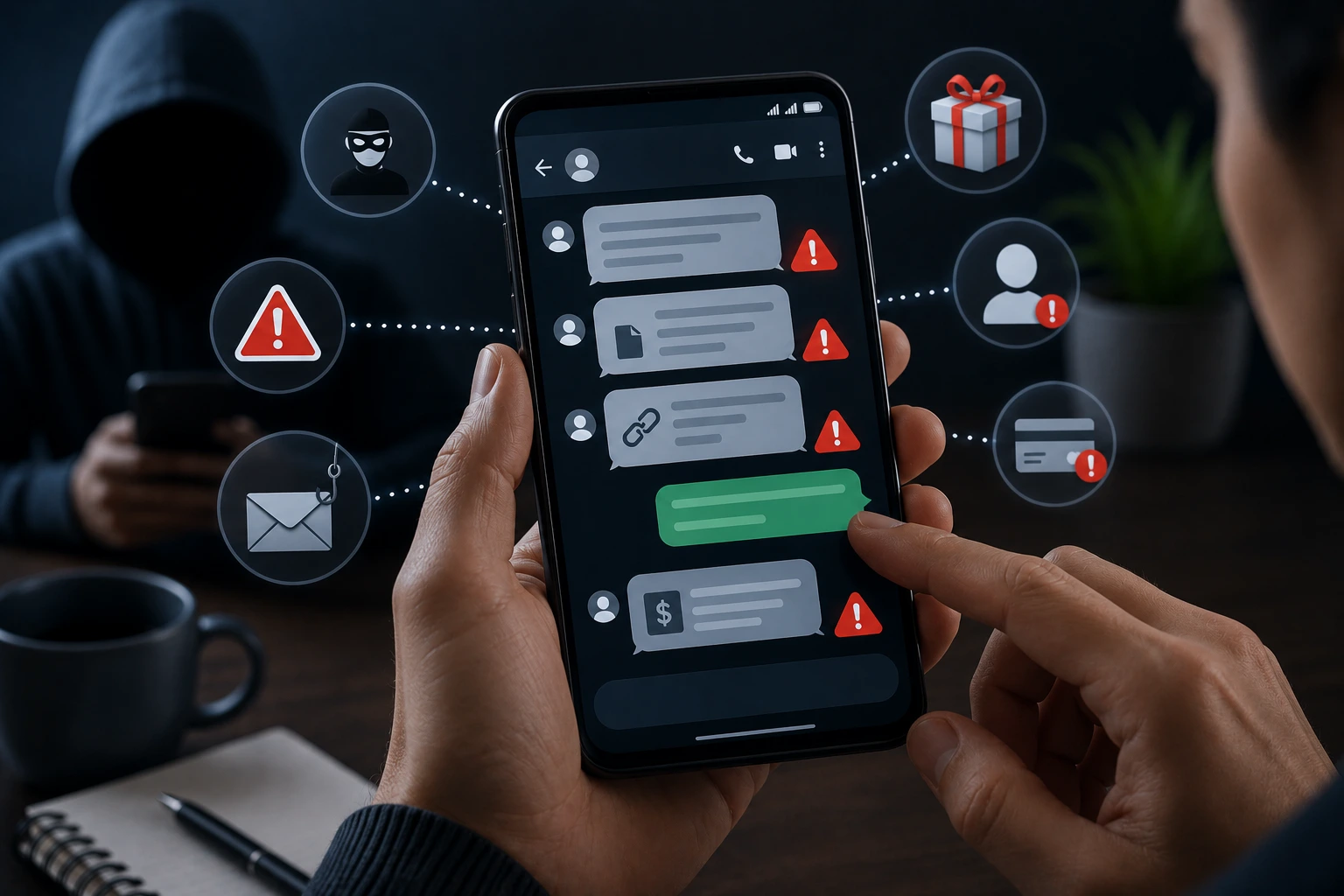
Every 4.9 seconds, someone in the United States becomes a victim of identity theft. That is not a typo. In 2024 alone, the Federal Trade Commission received over 1.1 million identity theft reports, and total fraud losses across the country exceeded $12.7 billion. Credit card fraud led the count with over 450,000 reports, but the category with the highest financial damage was bank transfer and payment fraud — costing consumers over $2 billion in a single year.
What makes identity theft particularly damaging is not just the financial loss. Victims spend an average of 200 hours resolving the aftermath. According to the Identity Theft Resource Center, 65% of people who report identity theft say their issues remain unresolved a full year later. Destroyed credit scores, fraudulent loans in your name, tax complications, and medical records contaminated with someone else’s health history — the damage extends far beyond the initial theft.
Understanding how identity theft actually happens is the most practical starting point for protecting yourself. Most victims are not targeted through sophisticated hacking. They are compromised through predictable, preventable methods.
What Identity Theft Actually Means
Identity theft occurs when someone obtains your personal identifying information — your name, Social Security number, date of birth, financial account numbers, or medical insurance information — and uses it to commit fraud or other crimes in your name.
The types of fraud committed with stolen identities vary widely. Financial identity theft, by far the most common category, involves opening new credit accounts, taking out loans, or accessing existing bank accounts using your credentials. Tax identity theft involves filing a fraudulent tax return using your Social Security number to claim a refund before you file your own. Medical identity theft involves using your health insurance information to receive medical care or medications, leaving false records in your medical history that can affect future treatment. Employment identity theft — which grew 20% year-over-year in 2024 — involves using your Social Security number to gain employment, creating tax complications you may not discover until filing season.
Each type has different discovery timelines and different remediation processes. Financial theft is often discovered within weeks through account alerts. Medical and employment theft can go undetected for years.
How Thieves Obtain Your Information
The majority of identity theft does not begin with a highly skilled hacker targeting you specifically. It begins with one of several common and well-documented methods:
Data breaches are the largest single source of stolen identity information. When companies that hold your data — retailers, healthcare providers, financial institutions, government agencies — are breached, millions of records leak simultaneously. According to breach research, over 18.4 billion data points were leaked in US data breaches between 2004 and 2025, including 2.28 billion passwords. Your information from a breach five years ago may only be used against you today, as stolen data is bought, sold, and refined on dark web marketplaces over time.
Phishing and social engineering extract information directly from victims. A convincing email from what appears to be your bank, a phone call from someone claiming to be the IRS, a text message asking you to verify your account — these attacks convince people to voluntarily provide the information thieves need. According to FTC data, phishing is consistently among the top reported methods of initial information exposure.
Physical theft remains relevant despite the focus on digital threats. Stolen wallets, mail theft (particularly of tax documents, bank statements, and pre-approved credit offers), and dumpster diving for discarded documents with personal information continue to feed identity theft operations. A single piece of physical mail containing your full name, address, and account number is enough to start the fraud process.
Synthetic identity fraud is a growing category in which criminals combine real information — typically a Social Security number — with fabricated details to create a new, composite identity that does not belong to any single real person. These synthetic identities are particularly dangerous because they can be developed over months or years before being exploited, and the real person whose SSN was used may not discover the problem until they apply for credit themselves.
Shoulder surfing and skimming involve physical observation or device tampering. ATM skimmers capture card data and PINs. Someone watching you enter your PIN at a checkout counter or fill out a form in a public place can capture usable information.
The Warning Signs Most People Miss
Identity theft often operates silently for months before becoming visible. Knowing what signals to watch for accelerates discovery and limits damage:
Unexpected credit inquiry notifications: When someone applies for credit in your name, lenders pull your credit report, generating a “hard inquiry” that appears on your credit file. If you receive a notification of a credit inquiry you did not initiate, this is a serious warning sign.
Bills or collection calls for accounts you did not open: Receiving a bill from a credit card company, medical provider, or utility for an account you have no knowledge of is a clear indicator that someone has opened accounts using your information.
Unexpected tax complications: If the IRS rejects your tax return because one has already been filed using your Social Security number, you are a victim of tax identity theft. This is one of the most disruptive forms because resolution requires working directly with the IRS over an extended period.
Medical explanation of benefits statements for services you did not receive: Your health insurer sends an Explanation of Benefits (EOB) after any claim is processed. If you receive an EOB for a doctor’s visit, prescription, or procedure you did not have, your medical identity may have been used.
Unexplained drops in your credit score: A sudden decline in your credit score without any change in your own behavior — particularly if combined with new accounts or high utilization on unknown accounts — may indicate identity theft.
How to Protect Yourself: A Layered Approach
No single action eliminates identity theft risk entirely, but a combination of habits dramatically reduces your exposure and limits the damage if theft occurs anyway:
Freeze your credit with all three major bureaus. A credit freeze — also called a security freeze — prevents new credit from being opened in your name without your explicit unfreeze action. This is free by federal law and can be done online at Equifax, Experian, and TransUnion. It does not affect your credit score, and you can lift it temporarily when you need to apply for credit. For most people who are not actively applying for new credit, a permanent freeze is the single most effective protection against new account fraud.
Monitor your credit reports regularly. Federal law entitles every American to a free credit report from each of the three bureaus annually through AnnualCreditReport.com. Stagger them — request one bureau every four months — to maintain year-round visibility. Review each report carefully for accounts, inquiries, or addresses you do not recognize.
Use unique, strong passwords on every financial account and enable two-factor authentication. The majority of account takeover fraud begins with stolen or reused credentials. A password manager generating unique passwords for every account, combined with 2FA on email and financial accounts, closes off credential-based entry points.
Be extremely cautious about what you share and with whom. Your Social Security number should never be provided in response to an unsolicited contact — by phone, email, or text. Legitimate institutions that genuinely need it will ask through documented, verifiable channels. Shred financial documents before discarding them. Opt out of pre-screened credit offers at OptOutPrescreen.com to reduce physical mail containing your personal information.
Set up account alerts on all financial accounts. Most banks and credit card issuers offer transaction alerts via text or email for every charge above a threshold you set. Setting this threshold at $1 or $0 means you will know within seconds of any transaction on your account, enabling immediate response to unauthorized charges.
Check your Social Security earnings record annually. The Social Security Administration allows you to create an account at ssa.gov and view your complete earnings history. If someone has been using your SSN for employment, unfamiliar employers or earnings will appear in your record. Annual review catches this category of theft before it compounds.
What to Do If You Are Already a Victim
If you discover that your identity has been stolen, the response sequence matters for minimizing damage and beginning recovery:
Place a fraud alert with one of the three credit bureaus — they are required to notify the others. A fraud alert requires creditors to take extra steps to verify identity before opening accounts. This is faster to implement than a full freeze and appropriate as an immediate first step while you investigate.
File a report with the FTC at identitytheft.gov — this generates a recovery plan specific to your situation and produces an official Identity Theft Report that you can use with creditors, debt collectors, and the IRS. File a police report with your local department, as some creditors require this for dispute resolution.
Contact every affected institution directly: your bank, any affected credit card issuers, and any creditors where fraudulent accounts were opened. Federal law provides significant consumer protections for identity theft victims, including the right to place blocks on fraudulent information in your credit reports and limits on liability for unauthorized transactions reported promptly.
Frequently Asked Questions
Q: How long does it take to recover from identity theft?
A: Recovery time varies significantly by type. Financial account fraud can often be resolved within weeks if caught early. New account fraud may take several months to clear from credit reports. Tax identity theft resolution with the IRS takes an average of 18 to 24 months. Medical identity theft can take years if false records are embedded in multiple systems. The single biggest factor in recovery speed is how quickly the theft is discovered — which is why monitoring matters so much.
Q: Is a credit freeze the same as a fraud alert?
A: No. A fraud alert asks creditors to take extra verification steps before opening accounts, but does not block them from doing so. A credit freeze actually prevents any new credit from being opened without you first lifting the freeze. A freeze provides stronger protection. A fraud alert is easier to implement and does not require action at each bureau individually. For most people, a credit freeze is the preferred long-term protection.
Q: Can children’s identities be stolen?
A: Yes, and this is a growing problem. Children’s Social Security numbers are valuable to thieves because they have clean credit histories and the theft often goes undetected for many years — sometimes until the child applies for student loans or their first credit card. Parents can freeze their minor children’s credit at all three bureaus as a protective measure.
Q: My information was in a data breach notification I received. What should I do?
A: First, confirm the notification is legitimate by looking up the company’s official website and contacting them directly rather than clicking links in the notification email. If confirmed, change your password for that service immediately and any other accounts where you used the same password. Place a fraud alert or credit freeze if the breach included your Social Security number or financial account information. Enroll in the free credit monitoring the company typically offers, but treat it as a supplement to your own monitoring, not a replacement.
